Invited Speakers
Invited speakers for IPAC'27
The list below reflects invited speakers confirmed so far. Additional speakers, talk titles, and the full schedule will be announced as the program is finalized.
Plenary Speakers
Highlighted talks opening and closing the conference program.
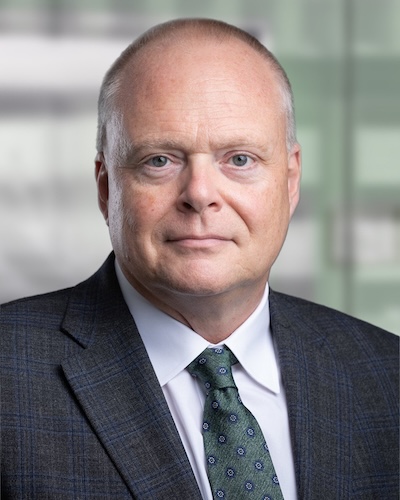
Thomas Glasmacher
Facility for Rare Isotope Beams
From one-of-a-kind technical challenges to first science
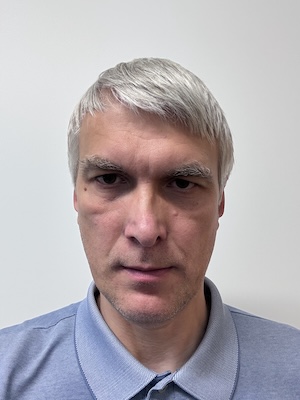
Sasha Zhukov
Oak Ridge National Laboratory
Challenges of in-operando ML for accelerators
Read bio and abstract
Alexander Zhukov is the Accelerator Physics Group Leader at Oak Ridge National Laboratory's Spallation Neutron Source (SNS), where he has worked since 2005. He holds a PhD in physics from the Institute for Nuclear Research in Moscow. His work sits at the intersection of accelerator physics, beam diagnostics, control systems, and scientific computing including beam dynamics simulation, and machine learning for accelerator operations. He has contributed to detailed characterization of a five-dimensional phase space distribution at the SNS Beam Test Facility. Alexander develops software for accelerator tuning and beam diagnostics, including work bringing PyORBIT particle-in-cell code into control room applications. Recently he was building ML frameworks for errant-beam prediction and automated beam loss reduction to help maximize the facility's availability for user experiments.
Abstract
Machine learning (ML) and artificial intelligence (AI) are now ubiquitous throughout science and society. Despite their enormous potential and continued investment, implementing new AI/ML techniques at operating accelerator facilities presents unique challenges across the accelerator complex. These include extensive data acquisition and synchronization, high-performance computing accessible from control networks, model training, deployment, and continuous learning. This talk will summarize the state of the art in AI/ML implementation and describe high-impact applications spanning a wide range of operating timescales—from systems that respond to live accelerator conditions within microseconds to those that guide operations and optimization over hours or days. It will also examine the novel infrastructure, expertise, and operational requirements needed to deploy these applications reliably at operating accelerator facilities.
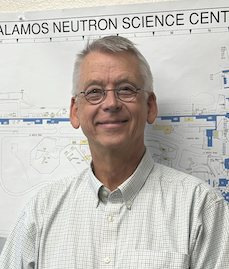
Bruce Carlsten
Los Alamos National Laboratory
Accelerators at Los Alamos: Facilities, Upgrades and Research Portfolio
Read bio and abstract
Bruce Carlsten received a PhD degree in electrical engineering from Stanford University in 1985. He has spent his career at the Los Alamos National Laboratory, working on high-brightness electron beams, free-electron lasers, novel RF vacuum electron devices, and advanced radar systems. At Los Alamos, he was the Group Leader of High-Power Electrodynamics from 2005 to 2012 and since October 2022 he has been the Division Leader of Accelerator Operations and Technology. Bruce has received several recognitions, including Fellowship in the American Physical Society and in the IEEE. He teaches the RF Sources class regularly at the U.S. Particle Accelerator School.
Abstract
Los Alamos National Laboratory has two major accelerator facilities, LANSCE (a high-power proton RF accelerator) and DARHT (a dual axis electron induction accelerator). Both accelerators have robust user programs and both have detailed upgrade plans, including the LANSCE Modernization Project (LAMP) which recently received CD-1 approval from DOE. This talk will describe the accelerators support these facilities, what is done with them, and upgrade plans.
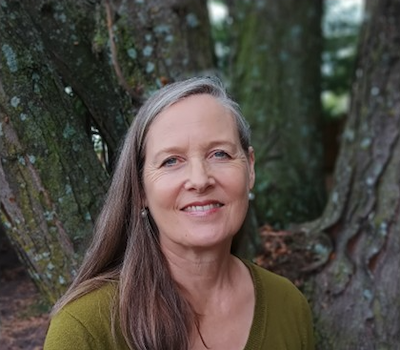
Camille Ginsburg
European Spallation Source
First beam on target and transitions to operations at ESS
Read bio and abstract
Camille Ginsburg is the Operations and Machine Director at the European Spallation Source. An internationally recognized expert in accelerator physics and technology, Dr. Ginsburg brings over 20 years of scientific, technical and leadership experience across several leading accelerator-based laboratories in Europe and the US. Reflecting her standing in the accelerator community, Dr. Ginsburg has served on many review and advisory committees for research laboratories, facilities and major accelerator-based projects. Dr. Ginsburg holds a PhD in experimental particle physics from Northwestern University. Following research positions at the Ohio State University on ZEUS/HERA and at the University of Wisconsin on CDF/Tevatron, she succumbed to the allure of accelerator science and technology. Prior to joining ESS, she was a scientist at Fermilab and Jefferson Lab for a combined 18 years, and served for two years as a program manager for accelerators in the US DOE Office of Science.
Abstract
The European Spallation Source (ESS) is a multidisciplinary research facility under construction in Lund, Sweden, where neutrons will be used to probe the structure and behaviour of a wide range of materials down to the atomic level. At its core is the construction, testing and commissioning of a 5 MW long-pulse neutron spallation source, including one of the most powerful linear superconducting RF proton accelerators ever built. The facility is expected to welcome around 2,000 researchers each year from around the world to carry out experiments across the natural and engineering sciences, including research related to energy, health and the environment. ESS has the ambition of becoming the world's most impactful accelerator-based neutron source. The ESS will have an initial suite of 15 state-of-the-art neutron instruments that will be available to the scientific community, with the instrument suite continually expanding over the following years to increase both capability and capacity. The official user programme is scheduled to begin in 2028. Accelerator performance for initial operations will be up to 2 MW / 870 MeV. The status of facility commissioning and neutron production, operational model and future plans will be presented.
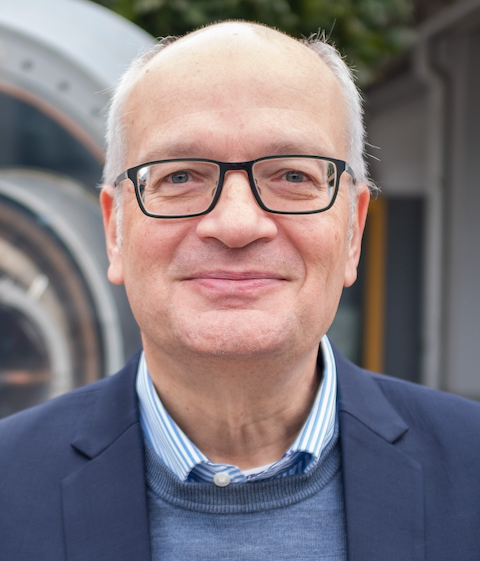
Ralph Assmann
GSI Helmholtz Centre for Heavy Ion Research
Overcoming setbacks in pursuit of commissioning of the integrated accelerator complex FAIR & GSI
Read bio and abstract
Ralph Assmann obtained his doctorate in physics from the Ludwig-Maximilians-University in Munich for work on LEP energy calibration and spin polarization, performed at the MPI for Physics and at CERN. He then worked for almost 20 years outside of Germany on various linear and circular colliders at SLAC and CERN. His CERN work included machine coordination for Run I of the LHC, that enabled the discovery of the Higgs boson in 2012. He then returned to Germany as DESY Leading Scientist for Accelerator R&D, where he was Primary Investigator of an ERC synergy grant and founding coordinator of the EuPRAXIA ESFRI project and its plasma accelerator concept. He has been the Chair of the Accelerator Group in the European Physical Society from 2020 - 2023 and had major roles in the organization of the IPAC conference series. Presently, he is the head of Accelerator Operation and Development at GSI/FAIR and Professor for Accelerator Physics at the Goethe University Frankfurt.
Abstract
The FAIR accelerator facility will provide heavy ion beams for frontier research in nuclear physics and related domains. It had been planned to take the new SuperFRS into operation at end of 2027 and the new SIS-100 synchrotron at the end of 2028. The required heavy ion beams will be generated in the UNILAC linear accelerator, which supports world-leading GSI research since 1975. UNILAC had been continuously maintained and optimized, however, its majority of technical components, including the RF system with 20 MW of installed peak power, date back to 1975. On 5th February 2026 a short circuit in the UNILAC RF gallery initiated a major fire. Due to strict safety policies, the quick reaction of the on site personnel and the excellent work of the fire brigades all personnel could be kept safe and the fire was kept constrained to the RF gallery. Nevertheless the full UNILAC RF system was destroyed and significant secondary damage was induced in electronics racks and other equipment by water and soot. As a consequence the ion beam operation for GSI and FAIR is interrupted. In response to this setback a major project was started with the goals (1) to restore the full UNILAC capabilities, (2) to provide interim ion beams for FAIR commissioning and science and (3) to remove other possible critical points of failures in the FAIR injection chain and the GSI accelerator complex. The talk will discuss the GSI fire event and the lessons learnt. It will then present the goals and plans of the restoration project and of its various sub-projects.
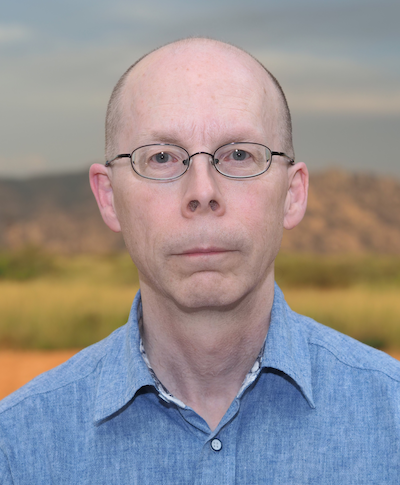
Michael Borland
Argonne National Laboratory
From design to operation: performance and challenges of 4th generation light sources
Read bio and abstract
Michael Borland is a Distinguished Fellow and an Associate Division Director for Accelerator Systems at Argonne National Laboratory, as well as a fellow of the American Physical Society. His thesis work involved design and commissioning of a 1.5-cell thermionic rf gun at SSRL. After moving to Argonne, he played a prominent role in the design, commissioning, and transition to operations of the APS complex, particuarly for the Particle Accumulator Ring and Storage Ring. Michael is the principal author of ELEGANT, a widely-used code for accelerator design and simulation. From 2013 to 2023, he led the physics design effort for the APS Upgrade storage ring, which he helped commission in 2024.
Abstract
The worldwide landscape of synchrotron radiation facilities has been transformed by the arrival of 4th generation storage ring (4GSR) light sources. Utilizing multi-bend achromat (MBA) lattices, these facilities reduce electron beam emittance to a few hundred picometers or less, increasing X-ray brightness and transverse coherence by orders of magnitude compared to 3rd generation rings. Translating these ambitious lattice designs into operational facilities that deliver scientific results for x-ray users presents significant accelerator physics and engineering challenges. Using the recent APS upgrade as an example, this talk traces the path from physics design and simulation to engineering, construction, commissioning, and routine user operations. We survey solutions and experience from operating 4GSR facilities, examining key design choices such as hybrid MBA lattices, reverse bends, longitudinal gradient dipoles, and injection schemes. Of particular interest is the degree to which simulation-based predictions of emittance, injection efficiency, and lifetime are achieved in reality. We end with a survey of upcoming projects and prospects for improvements to existing 4GSRs.
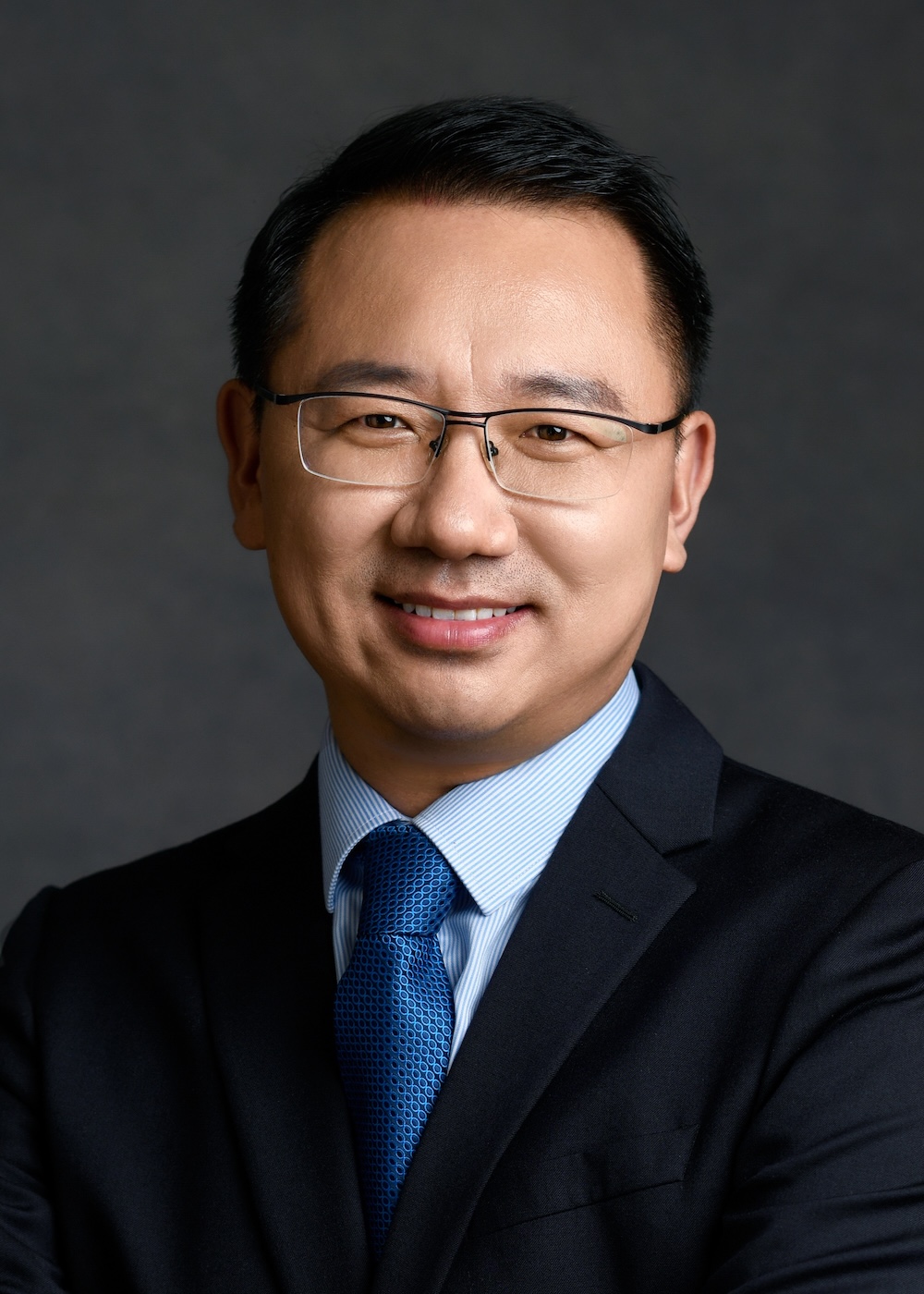
Haixiao Deng
Shanghai Advanced Research Institute
First light of SHINE
Read bio and abstract
Haixiao Deng, President of the Shanghai Advanced Research Institute (SARI), Chinese Academy of Sciences, has long been dedicated to X-ray free-electron laser physics and experiments. He proposed and demonstrated the self-amplification of coherent energy modulation in electron beams, and pioneered the phase-merging FEL theory, opening new directions for advanced light source research. He has played core roles in the construction of China’s major FEL facilities including SDUV, DCLS, SXFEL and SHINE. Currently, he is the General Manager Assistant of the SHINE project and in charge of the overall construction of the switchyard and undulator lines of SHINE.
Abstract
SHINE is an 8 GeV superconducting X-ray FEL designed to cover a broad photon energy range of 0.2–15 keV at a 1 MHz repetition rate. As one of the next-generation high-average-power XFEL facilities worldwide, it is now in an advanced stage of construction. First FEL light is targeted for 2026, and routine user operation is expected to begin in 2027. This talk will report the most recent FEL commissioning results and give an updated status of the entire SHINE facility.
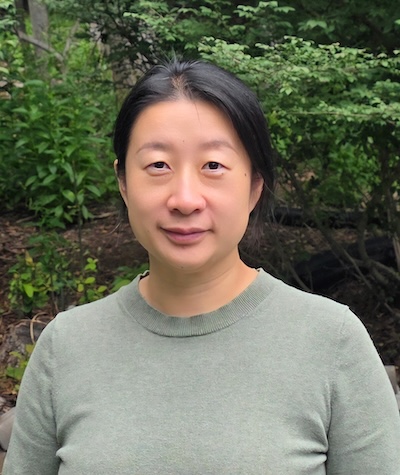
Qiong Wu
Brookhaven National Laboratory
Design and R&D achievements towards realizing the Electron Ion Collider
Read bio and abstract
Qiong Wu is a scientist on the Electron-Ion Collider project at Brookhaven National Laboratory, where she serves as Project Manager for the Electron Injector. Dr. Wu received her Ph.D. in Physics from Indiana University Bloomington in 2008. Her research and technical expertise span electron sources, normal conducting and superconducting RF cavity design, and RF system operations in collider environments. She coordinated the first superconducting RF cavity project in RHIC, led the crab cavity design for the High-Luminosity LHC upgrade at BNL, and managed all eight Accelerator R&D projects for EIC. In her current role on the EIC project, Dr. Wu oversees the design, development, integration, and delivery of the Electron Injector, which will provide the high-quality electron beam required for future EIC operations.
Abstract
The Electron-Ion Collider is the next-generation nuclear physics collider designed to enable high-luminosity collisions between polarized electron beams and polarized proton and ion beams over a broad range of center-of-mass energies. Realizing the EIC requires the integration of state-of-the-art accelerator technologies, careful system-level design, and coordinated R&D across multiple accelerator subsystems. An extensive accelerator R&D program has been carried out to prototype and validate key components needed for EIC operation. These efforts span polarized sources, superconducting magnets, high-intensity ion beamline inserts, RF and SRF systems, interaction-region technologies, and other critical accelerator systems. This presentation will summarize the key design features of the EIC accelerator complex and highlight recent R&D achievements that support its technical readiness. Particular emphasis will be placed on progress in the new electron injection system, a critical element for achieving the required electron beam quality, reliability, and overall EIC performance.
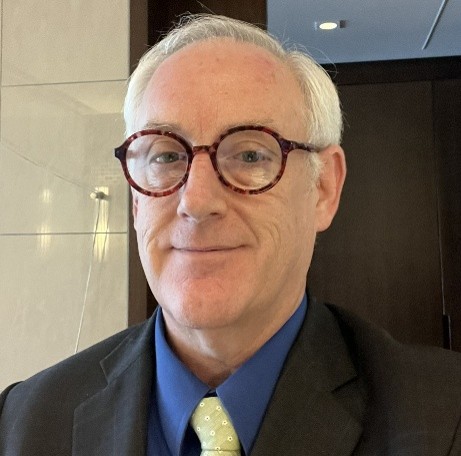
Kelly Gaffney
SLAC National Accelerator Laboratory
Unique discovery science enabled by xFELs
Read bio and abstract
Professor Kelly Gaffney directs the Linac Coherent Light Source (LCLS), an internationally leading research facility open to users from around the world. LCLS, the world’s first Ångström wavelength x-ray laser, has driven a revolution in x-ray science. The x-ray pulses produced by LCLS have a peak brightness a billion times greater than those produced by conventional sources, such as a synchrotron. The first generation of LCLS enabled unique science opportunities driven by the ultrashort duration of the intense x-ray pulses generated by LCLS – durations from tens of femtoseconds to hundreds of attoseconds. This has enabled the functional dynamics of biological, chemical, and materials systems to be captured with atomistic resolution without blurring in space or time. LCLS has now initiated a second revolution in x-ray laser science, by building a superconducting accelerator for x-ray generation, in addition to the normal conducting accelerator used for the first generation of x-ray laser operations. This new accelerator maintains the peak brightness of the normal conducting accelerator, but enables the repetition rate to be increased from 120 Hz to 1 MHz and enables a four-orders of magnitude increase in average brightness. This new source has the potential to transform x-ray imaging and high resolution x-ray spectroscopy.
Abstract
Mastering complex material and chemical transformations provides a pathway to advancing new technologies to improving the health, security, and prosperity of the 21st century. X-ray Free Electron Lasers (XFEL) have an important role to play in the discovery of design principles for these complex transformations by capturing them with atom resolution in space and time. The impact of XFEL science depends critically on identifying research challenges where X-ray laser methods dependent on the unique properties of an XFEL directly address gaps in our understanding that slow the pace of research progress. Given the limited access to XFEL capabilities, enhancing the pace of progress will require a new level of coordination between accelerator and X-ray scientists in conjunction with domain experts in the targeted applications.
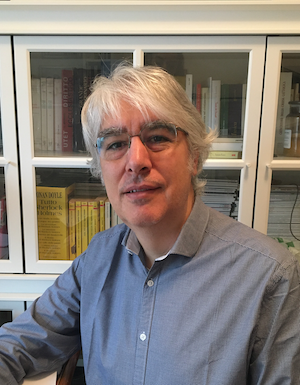
Massimo Giovannozzi
European Organization for Nuclear Research
Boosting accelerators performance with phase space manipulations
Read bio and abstract
Massimo Giovannozzi studied at the University of Bologna in the group of Prof. G. Turchetti, focusing on nonlinear dynamical systems and their applications to single-particle beam physics. In 1993, he received his PhD from the University of Bologna, based on work carried out at CERN on nonlinear beam dynamics in the LHC and on diffusion experiments at the CERN SPS. After completing a CERN fellowship, Dr. Giovannozzi became a staff member in the CERN accelerator physics group. Since then, he has primarily contributed to the CERN PS and LHC accelerators through theoretical analyzes, numerical simulations, and beam experiments. His research interests encompass beam manipulation methods grounded in nonlinear beam dynamics, the characterization of dynamic aperture in hadron rings, and diffusive models describing transverse nonlinear beam dynamics. Since 2020, he has been a visiting professor at the University of Bologna, where he teaches a course in accelerator physics. In that same year, he was elected a fellow of the American Physical Society in recognition of his work on multi-turn extraction at the CERN PS.
Abstract
In recent years, novel investigations of non-linear beam dynamics, and in particular its use to manipulate the transverse phase space, have begun to enable improvements in a wide range of processes, including multi-turn extraction and injection, transition crossing, halo cleaning, as well as cooling and redistribution of transverse beam emittances. This contribution will review these developments and examine them in detail, while also exploring potential future directions for enhancing performance through non-linear beam dynamics.
Wenlong Zhan
Institute of Modern Physics
Accelerator driven subcritical systems: Challenges, projects, future perspectives
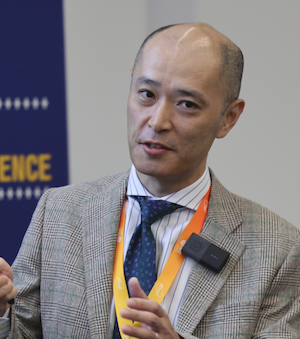
Gaku Mitsuka
High Energy Accelerator Research Organization
Progress and understanding of the limitation of luminosity performance in Super-KEKB
Read bio and abstract
Gaku Mitsuka received his Ph.D. in Physics from the University of Tokyo in 2009. As a graduate student, he conducted atmospheric neutrino observations using a water Cherenkov detector. Through this experience, he developed an interest in detector development and subsequently became involved in accelerator instrumentation. He joined KEK, where he has been engaged in the development and operation of the SuperKEKB accelerator. He is currently an associate professor in the Accelerator Laboratory at KEK. His research focuses on the design and development of beam instrumentation, particularly beam size monitors and beam position monitors, for the optimization of accelerator performance. Since 2024, he has served as the leader of beam commissioning for the SuperKEKB collider.
Abstract
SuperKEKB is an electron–positron collider that employs the nano-beam and crab-waist schemes to achieve the world’s highest luminosity and produce large samples of B-meson pairs. SuperKEKB achieved a peak luminosity of 5.3e34 cm⁻² s⁻¹ in 2026. As a luminosity-frontier collider, however, SuperKEKB has faced several challenges that limit further improvements in luminosity, including a short beam lifetime associated with the small dynamic aperture, impedance effects, beam-beam blow-up, and unexpected, rapid beam losses known as Sudden Beam Loss (SBL). Recent progress in understanding and addressing these limitations through beam commissioning from 2025 to 2027 will be presented. The remaining challenges and their possible mitigation strategies toward further improvements in luminosity performance will also be discussed, together with prospects for future operation.
Invited Speakers
Experts invited to present the latest developments in their field.
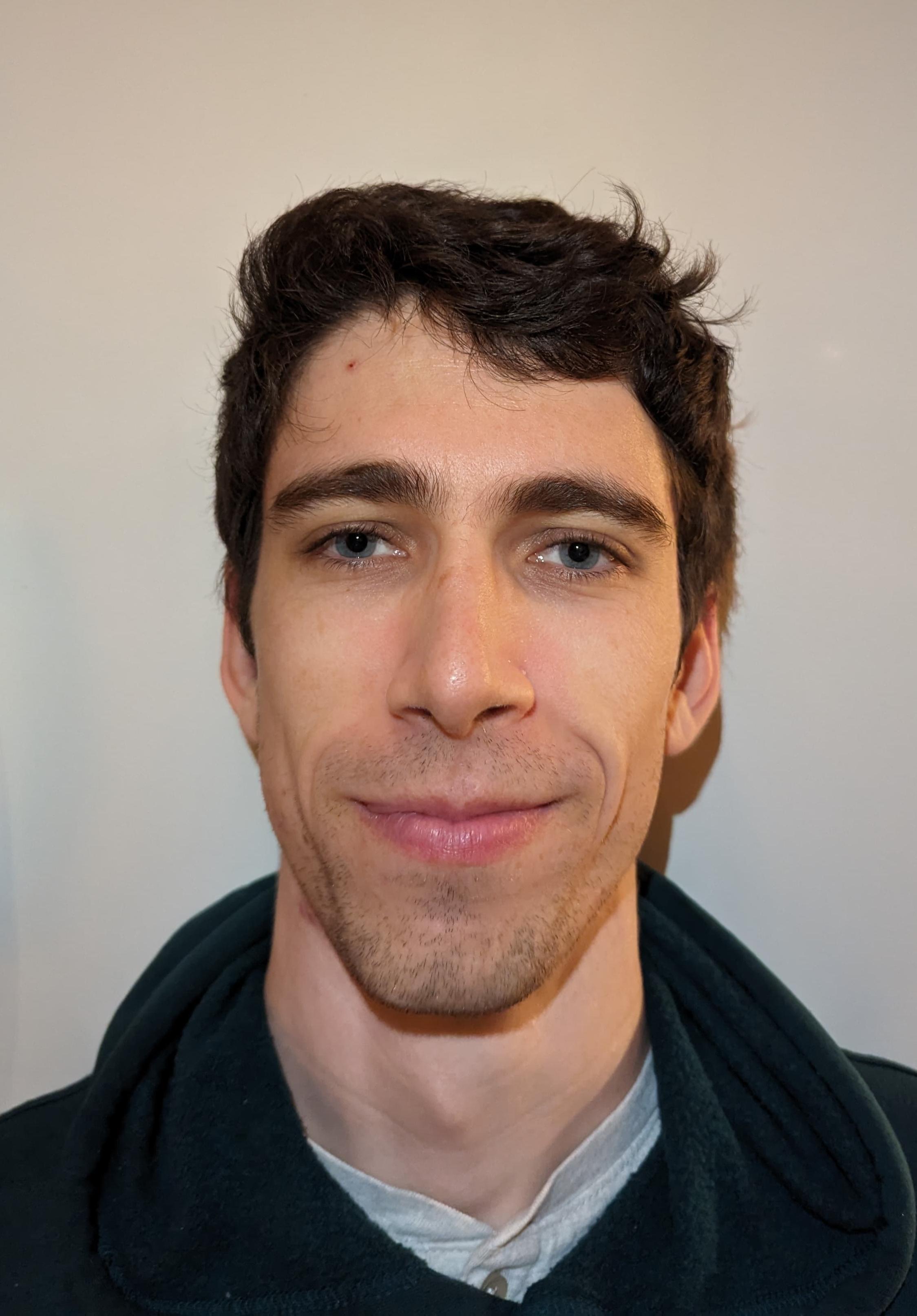
Alexandre Arsenault
Paul Scherrer Institut
CASPER: a Compact Arbitrary Superconducting Polarisation Emitting Radiator
Read bio and abstract
Alexandre Arsenault is a scientist at the Paul Scherrer Institute, specializing in R&D for new undulator concepts. His research is focused on simulations and experiments of high-temperature superconducting bulks and tapes used to generate high magnetic fields at small period lengths for the next generation of undulators. He received his PhD degree in 2023 from Polytechnique Montreal, where he investigated the use of superconducting bulks for magnetic drug delivery.
Abstract
To provide fully controllable elliptical polarisation to all experimental stations of the SwissFEL facility, spanning soft to hard x-rays, the PSI ID group is developing a novel undulator concept based on HTS REBCO tapes. The proposed design enables the superposition of right-handed and left-handed helical fields with comparable strength, allowing the generation of horizontal and vertical linear polarisation with similar field amplitudes and continuous tuning across all elliptical states. Owing to the compactness of the concept, polarisation rotation could also be achieved through a physical rotation of the coil assembly or its cryostat. This presentation will introduce the new winding scheme and the underlying REBCO tape technology, and will summarise the expected magnetic field performance for parameter sets relevant to future SwissFEL upgrades. Particular emphasis will be placed on the remaining challenges and the substantial R&D effort required to establish this approach as a robust undulator technology, including issues related to persistent currents, quench protection, and automated winding processes.

Samuel Barber
Lawrence Berkeley National Laboratory
Compact free-electron lasers driven by plasma-based accelerators
Read bio and abstract
Samuel (Sam) Barber is a research scientist in the Accelerator Technology and Applied Physics (ATAP) Division at Lawrence Berkeley National Laboratory (LBNL), where he works at the Berkeley Lab Laser Accelerator (BELLA) Center. His research focuses on laser-plasma acceleration (LPA) and the development of next-generation, compact light sources driven by high-brightness electron beams. His work explores the application of LPA technology to free-electron lasers (FELs), with the goal of making advanced X-ray and other photon sources more compact and accessible to the scientific community. Barber has made key contributions to improving accelerator stability, electron-beam quality, and the integration of plasma accelerators with undulator-based radiation sources. His research helped advance the demonstration of coherent gain in an LPA-driven free-electron laser, establishing an important milestone toward compact FEL technology. In recognition of his contributions, he received Berkeley Lab’s 2023 Director’s Award for Exceptional Early Scientific Career Achievement. Barber earned his B.S. in Astrophysics, M.S. in Physics, and Ph.D. in Physics from the University of California, Los Angeles.
Abstract
Compact free-electron lasers (FELs) that are driven by plasma-based accelerators have been a dream for years. Over the past few years several milestone experiments have demonstrated their basic feasibility, and the BELLA lab at LBNL has recently demonstrated FEL gains exceeding 1000 at optical wavelengths. We report on these findings, and discuss our next steps to towards demonstrating FEL gain to full saturation. We then examine the present status of plasma-based sources regarding reliability and stability, and discuss a possible route towards improving these characteristics to the level required for an operational light source.
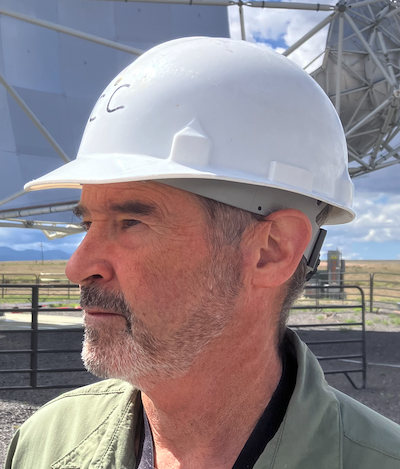
Chris Carilli
National Radio Astronomy Observatory
Non-redundant aperture masking interferometry for joint real-time, two dimensional transverse beam shape measurements, and nm-precision wavefront sensing
Read bio and abstract
Dr. Chris Carilli is a senior scientist at the US National Radio Astronomy Observatory. He served as the Chief Scientist for the Observatory for 16 years, and held a dual appointment as Director of Research at the Cavendish Laboratory for 8 years. He was a visiting Humboldt Fellow at the MPIfR in Bonn, and in 2005 he was awarded the Max-Planck Research Prize from the Humboldt and Max-Planck Societies for his work in radio astronomical interferometry. He earned his PhD in physics from MIT in 1989.
Abstract
Classical double-aperture Young interferometry at optical wavelengths is widely used in accelerators to provide a one-dimensional transverse beam size measurement. Recently, we have improved this technique dramatically using two-dimensional interferometric imaging techniques developed for radio astronomy. We combine multi-hole, non-redundant aperture masks at optical wavelengths with Fourier plane self-calibration techniques from radio astronomy, to perform real-time, two-dimensional transverse beam size measurements from a single-shot interferogram on millisecond timescales. The technique has been demonstrated at the ALBA synchrotron light source using masks with up to 12 holes [Nikolic et al. arXiv:2405.12090; Torino et al. arXiv:2607.19991; Iriso et al. arXiv:2409.11135], for which we recover the Gaussian beam profile to ~ 1% accuracy. The self-calibration process entails joint derivation of the source shape and the complex gains for each aperture, thereby correcting for non-uniform illumination across the aperture plane. The gain phases provide a measurement of pathlengths through the optical system, thereby representing a real-time wavefront sensor with nanometer precision, or better [Carilli et al. arXiv:2503.10820]. We have also demonstrated the technique in near-IR astronomy using the aperture mask on the James Webb Space Telescope to image dusty binary stars. Most recently, the technique has been applied at the LHC, and we are currently improving mask design and processing to characterize non-Gaussian beam shapes, increase the SNR to perform beam halo measurements, and obtain better wavefront sampling for multi-term 2D Zernike polynomial fitting.

Michele Carlà
ALBA-CELLS Synchrotron
Methods for full coupling operation in a synchrotron light source
Read bio and abstract
Michele Carla' is currently a staff scientist in the beam dynamics group at the ALBA light source (Barcelona). He earned his Master in physics at the University of Florence in cooperation with PSI with a thesis on the simulation of a seeded soft x-ray FEL. After completing his master he moved to Barcelona to join the ALBA beam dynamics group within the oPAC Marie Curie training program. The work culminated with the defense of his PhD thesis on the characterization of linear and non-linear optics by means of turn-by-turn measurements. He was then granted a CERN fellowship dedicated to the study of high intensity hadron beams in the SPS in view of the CERN injector upgrade, after which he moved back to ALBA where he is currently dedicated to the design of a low emittance upgrade of the ALBA synchrotron.
Abstract
Several synchrotron light sources are currently designing a lattice upgrade to reach low (sub-nm) emittances, which inevitably entails a significant beam lifetime reduction. In view of the ALBA lattice upgrade, it was decided to evaluate different methods using the current ALBA storage ring to reach large betatron coupling as a way to increase the lifetime. In a first attempt, coupling was introduced by means of static skew quadrupolar magnets and by tuning the working point onto the resonance 𝑄𝑥 = 𝑄𝑦, but in a realistic scenario, some kind of tune feedback is required to counteract the unavoidable tune drifts and fluctuations that would drive the system out of resonance. Furthermore, the condition 𝑄𝑥 =𝑄𝑦 constrains the linear optics resulting in an important lack of flexibility. Therefore a second method is proposed, based on the excitation of the coupling resonance with an ac skew quadrupole driven at the frequency 𝑓rev·(𝑄𝑥 −𝑄𝑦). In this case, we used the existing four-electrode tune excitation stripline recabled as a skew quadrupole. A fast tune tracking system was implemented to drive the skew quadrupole exactly on the resonance despite the tune fluctuations. This talk goes over the collected results and experiences, aiming to put into light pitfalls and limits of the application of coupling to achieve round beams in a synchrotron light source.
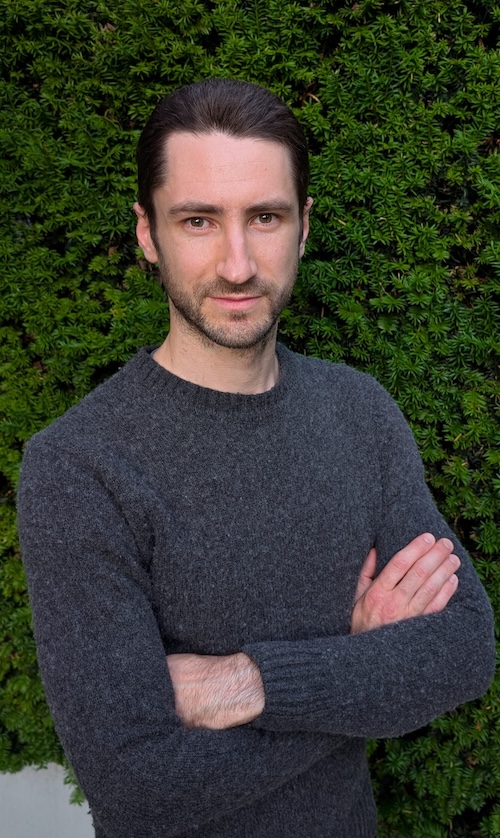
Luca Egoriti
TRIUMF, Canada’s particle accelerator center
TRIUMF-ARIEL: tripling TRIUMF's RIB capabilities
Read bio and abstract
Luca Egoriti is a Staff Scientist at TRIUMF, Canada's national particle accelerator laboratory, specializing in target and ion source technologies for radioactive ion beam production as well as accelerator applications in the medical field. He earned his PhD from the University of British Columbia and has worked as project co-lead for the ARIEL target station, the heart of the ARIEL project.
Abstract
TRIUMF's long shutdown in 2026 will have brought ARIEL, the Advanced Rare Isotope Laboratory out of the major construction phase and ready for commissioning. ARIEL will multiply the RIB beam availability at TRIUMF and include the highest power photo fission RIB production facility in the world. This contribution should present the facility and research reach of ARIEL, the status of the facility construction, the lessons learnt from the construction phase, as well as presenting the plans for commissioning and initial operations.
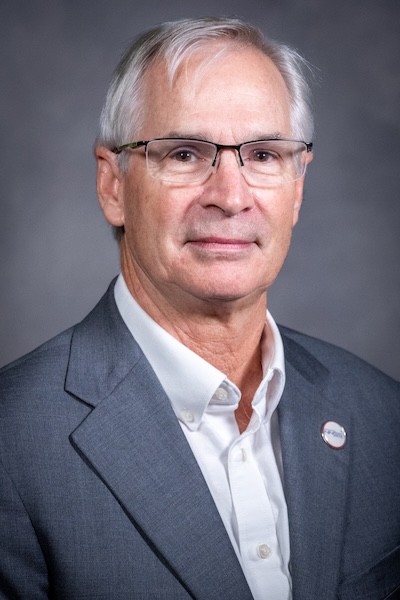
David Funk
Nevada National Security Site
Scorpius: the world’s most advanced electron induction linac
Read bio and abstract
David Funk serves as Vice President of Enhanced Capabilities for Subcritical Experiments (ECSE) at the Nevada National Security Site (NNSS). In his role, Funk works to ensure the successful execution of ECSE activities, including the NNSS portion of the Advanced Sources and Detectors (ASD) project, Neutron Diagnosed Subcritical Experiments, and technical staff development to support ECSE. Funk previously served as Los Alamos National Laboratory’s (LANL) Project Director for the ASD project, also known as Scorpius. The ASD project is responsible for the technology maturation, design, fabrication, installation and commissioning of Scorpius through Critical Decision-4. Led by LANL, the ASD project is a collaboration of partners that include Lawrence Livermore National Laboratory (LLNL), Sandia National Laboratories (SNL) and the NNSS. Funk also served as the Weapons Experiments Division Leader, leading an organization of approximately 200 people in the safe and secure operation of LANL’s outdoor firing sites, gas guns, explosive chemistry labs, small-scale explosive facilities and the Dual Axis Radiographic Hydrodynamic Test (DARHT) facility, the world’s premier hydrotest facility. With more than 30 years working at LANL, primarily within the weapons program, Funk’s research involved studies of energetic materials, specifically detonation chemistry using ultrafast lasers and the measurement of temperature in shocked metals using neutron resonance spectroscopy.
Abstract
Scorpius is a next-generation electron induction linear accelerator currently under construction for the U.S. National Nuclear Security Administration to support advanced radiographic experiments for stockpile stewardship. The project is a collaboration between Los Alamos National Laboratory (LANL), Lawrence Livermore National Laboratory (LLNL), Sandia National Laboratories (SNL), and the Nevada National Security Sites (NNSS). The facility is located approximately 1,000 feet underground at the Nevada National Security Site and is designed to produce a minimum of four high-current electron pulses for flash X-ray radiography of dynamic experiments. The accelerator will deliver electron beams with energies of approximately 22 MeV, peak currents near 1.5 kA, and pulse widths near 80 ns. The facility integrates advanced solid-state pulsed-power systems, beam transport, diagnostics, and controls to achieve reliable multi-pulse operation and high radiographic performance. Building on decades of experience with linear induction accelerators while incorporating significant advances in beam dynamics and system integration, Scorpius represents the most advanced electron induction linac constructed to date. This talk presents an overview of the accelerator concept, key design features, and project status, and discusses the expected performance and its role in enabling next-generation, multi-frame high-resolution radiography experiments.
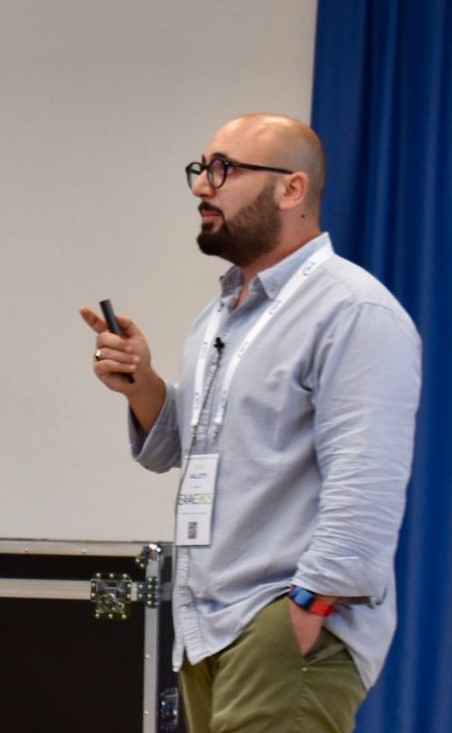
Mario Galletti
Italian National Institute for Nuclear Physics
Beam-driven wakefield acceleration in laser-plasma filament
Read bio and abstract
Mario Galletti is a Senior Researcher at the Frascati National Laboratories (LNF) of the Italian National Institute for Nuclear Physics (INFN), where he conducts research on advanced accelerator concepts, high-power laser systems, and plasma-based particle acceleration. He received his M.Sc. in Physics from the University of Pisa and his Ph.D. in Physics Engineering from Instituto Superior Técnico, University of Lisbon, in 2020. His research focuses on laser- and beam-driven plasma wakefield acceleration, free-electron lasers, beam diagnostics, and the development of compact accelerator technologies for scientific applications. He has played a leading role in several international collaborations, including EuPRAXIA, contributing to pioneering demonstrations of plasma-driven free-electron lasers and innovative plasma accelerator technologies. He is the lead or corresponding author of numerous high-impact publications in journals such as Nature, Nature Photonics, Physical Review Letters, and Physical Review. Dr. Galletti has received several prestigious awards, including the 2024 SILS Young Scientist Award and the European Physical Society Plasma Physics Division PhD Research Award. He is actively involved in teaching, mentoring young researchers, coordinating international research activities, and serving as reviewer and editor for leading scientific journals.
Abstract
The talk will report on the experimental demonstration of plasma-based electron acceleration using laser-generated plasma filament as acceleration stage. The experiments are performed at SPARC_LAB (INFN - Frascati). The work builds on a complete experimental and theoretical characterisation of plasma filaments generated by low-energy (10 mJ), self-guided femtosecond laser pulses in low-pressure nitrogen [1]. This approach allows for proposing plasma filaments as tunable, high repetition-rate, low-energy dissipation plasma acceleration stages, with potential scalability of the interaction length to the meter scale. These features make filament-based stages particularly attractive for future light sources facilities based on plasma accelerators, as EuPRAXIA and EuPRAXIA-related systems. This work could be of broad interest because it introduces, for the first time, a beam-driven plasma acceleration stage based on the nonlinear self-guided propagation of an ultrashort laser pulse, rather than externally confined or preformed plasma structures. Beyond particle acceleration, this concept naturally connects to several topical areas, including nonlinear light–matter interaction, laser filamentation physics, compact accelerator technologies, and advanced plasma photonics.
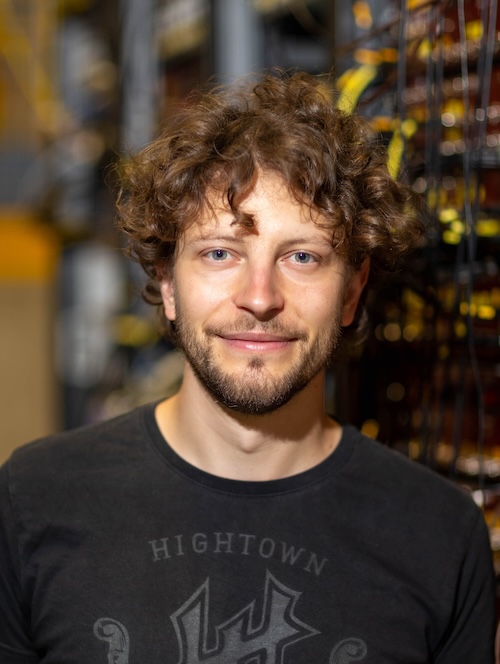
Davide Gamba
European Organization for Nuclear Research
The CERN antiproton programme: present performance and future challenges
Read bio and abstract
Davide Gamba is a researcher in the Accelerator Beam Physics group at CERN. He received his PhD from the University of Oxford for work on the optimisation of the CLIC Drive Beam recombination at CERN’s CLIC Test Facility, CTF3, and later contributed to the conversion of part of that infrastructure into the CLEAR electron-beam user facility. His work has also included studies for the HL-LHC, in particular on interaction-point orbit control and ground-motion effects. In recent years, his main focus has been CERN’s low-energy antiproton complex, where he has contributed to the commissioning, restart and performance improvement of ELENA and of the AD–ELENA chain. His expertise includes beam dynamics, electron cooling, operational optimisation and the specification of future cooling systems, including the new electron cooler for the Antiproton Decelerator. He coordinates and supports machine-development activities aimed at improving beam quality, reliability and long-term performance for CERN’s antimatter physics programme.
Abstract
CERN’s Antimatter Factory provides low-energy antiprotons for a diverse programme of precision experiments investigating the fundamental properties of antimatter. Producing these beams requires antiprotons generated at relativistic energies to be collected, cooled and decelerated over several orders of magnitude before being transferred to the experiments and captured in electromagnetic traps. The facility comprises the Antiproton Decelerator (AD) and the Extra Low ENergy Antiproton ring (ELENA). The AD presently delivers approximately 6x10^7 antiprotons at 5.3 MeV every two minutes, while ELENA further decelerates the beam to 100 keV and distributes several low-emittance bunches to up to four experiments. The introduction of ELENA has substantially increased the facility’s experimental capacity and improved the efficiency with which antiprotons can be captured and used. Recent highlights from the AD and ELENA experimental programme include precision 1S–2S spectroscopy of trapped antihydrogen, measurements of the gravitational behaviour of antihydrogen, precision spectroscopy of exotic atoms such as antiprotonic helium and positronium, progress towards the production of antihydrogen ions, investigations of neutron skins in exotic nuclei, parts-per-billion measurements of the antiproton magnetic moment, and recent advances in antimatter transport. These achievements, together with the growing complexity and scientific ambitions of the experimental programme, place increasingly demanding requirements on beam performance, reliability and long-term availability. This presentation will review the accelerator chain and its principal beam-physics and operational challenges, summarise the present performance of the AD-ELENA complex, and discuss consolidation priorities and possible future developments for CERN’s low-energy antiproton programme.
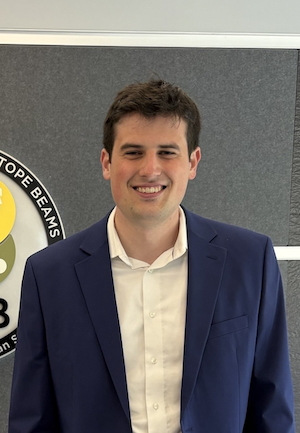
Alec Gonzalez
Facility for Rare Isotope Beams
Commissioning of accelerator upgrade projects to mitigate beam halo formation in high-power heavy ion linac
Read bio and abstract
Alec Gonzalez is a postdoc in the FRIB accelerator physics department. He received his PhD in 2025 from Michigan State University for his work on mitigating beam losses in the FRIB accelerator during beam power ramp up. His current work focuses on accurately modeling beam dynamics and improving 4D beam reconstructions along the FRIB accelerator.
Abstract
Two accelerator improvement projects have been proposed and developed to mitigate the beam halo formation after the liquid lithium stripper at FRIB. The first project deals with a stronger beam focusing into the liquid lithium film to suppress beam halo formation caused by non-uniform lithium film thickness. The second project is the development of a second-harmonic cavity to increase the post-stripper longitudinal acceptance to accommodate the longitudinal halo of the bunch. Both systems will be completed, installed, and commissioned before the end of 2026. As a result, we will substantially reduce beam losses in the post-stripper superconducting linac and prevent possible degradation of SC cavities. The design features of new devices and commissioning results will be reported.
Yoshinori Hashimoto
High Energy Accelerator Research Organization
Advanced beam halo diagnostics for MW-class proton accelerators with a wide-dynamic-range profile monitor
Read bio and abstract
Abstract
Accurate beam halo diagnostics and effective halo collimation are essential for modern MW-class high-intensity proton accelerators. To address this challenge, J-PARC has developed an advanced beam halo monitor capable of measuring both the beam core and halo with a dynamic range of six orders of magnitude. The first unit was installed in the 3-GeV injection beam transport line to measure the halo of the beam transported to the J-PARC main ring (MR). The system combines optical transition radiation from a thin titanium foil for the beam core with fluorescence from a chromium-doped alumina screen, enabling halo diagnostics over a relative beam intensity range of 10^-3 to 10^-5. A second unit will be installed in the J-PARC MR in 2026 to measure the injected beam for about 20 turns. Combined measurements with the upstream monitor will allow phase-space evaluation of beam halo before and after injection and detailed studies of halo collimation and beam halo dynamics. Based on this technology originally developed at J-PARC, the J-PARC group has led the development of a halo diagnostic system for the FNAL 8-GeV injection beam within US-Japan collaboration. The presentation will highlight these developments and their impact on halo control in MW-class proton accelerators.
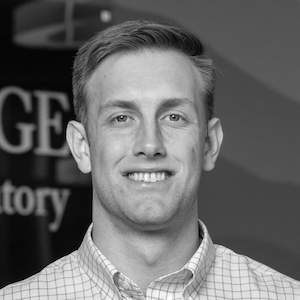
Austin Hoover
Oak Ridge National Laboratory
Eigenpainting in hadron accumulator rings
Read bio and abstract
Austin Hoover is a Staff Scientist in the Accelerator Physics Group at Oak Ridge National Laboratory, where his research focuses on the measurement, prediction, and control of intense beams in high-power accelerators. His current interests include space charge effects in rings, phase space painting, and phase space reconstruction methods.
Abstract
Phase space painting is an important technique to mitigate space charge in high-power hadron rings. Eigenpainting is a new painting method in which particles are injected along eigenvectors of the ring transfer matrix. The method could be leveraged to build near-equilibrium distributions with very small emittance in four-dimensional phase space. This talk reports the first experimental tests of eigenpainting at the Spallation Neutron Source (SNS), including the optimization of the injection system and measurement of the accumulated phase space distribution. I will also describe planned experiments and simulations to study the method performance at high intensities and possible applications to future machines.
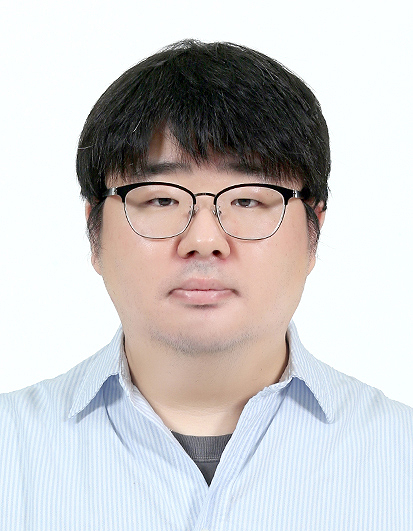
Jun Ho Ko
Pohang Accelerator Laboratory
Construction and commissioning of the PAL-EUV compact synchrotron for semiconductor applications
Read bio and abstract
Jun Ho Ko earned his Ph.D. from Pohang University of Science and Technology (POSTECH), with a thesis on the characterization of coherent radiation generated in an electron bunch compressor. After completing his doctorate, he joined Pohang Accelerator Laboratory (PAL) as a postdoctoral researcher in the PAL-XFEL Accelerator Group, where he supported accelerator operations for user services. He subsequently joined a synchrotron construction project aimed at developing an extreme-ultraviolet (EUV) light source and contributed to the construction and integration of the accelerator facility. Since July 2021, he has been a staff researcher at the PAL Extreme Ultraviolet Synchrotron (PAL-EUV). His current work focuses on commissioning PAL-EUV by validating accelerator systems, characterizing electron beam performance, and establishing stable operating conditions. Through these efforts, he is helping prepare the facility for reliable operation and future research applications. His research interests include accelerator commissioning and operation, electron beam diagnostics, and beam performance optimization.
Abstract
PAL-EUV is a 400 MeV compact synchrotron dedicated to EUV radiation at 13.5 nm for semiconductor R&D, constructed within a 15 m x 15 m footprint at Pohang Accelerator Laboratory. The facility, consisting of a linac, booster ring, and storage ring, completed construction and commissioning in 2023. The speaker would present the design, commissioning results, and operational status of this unique accelerator-based EUV source for industrial applications.
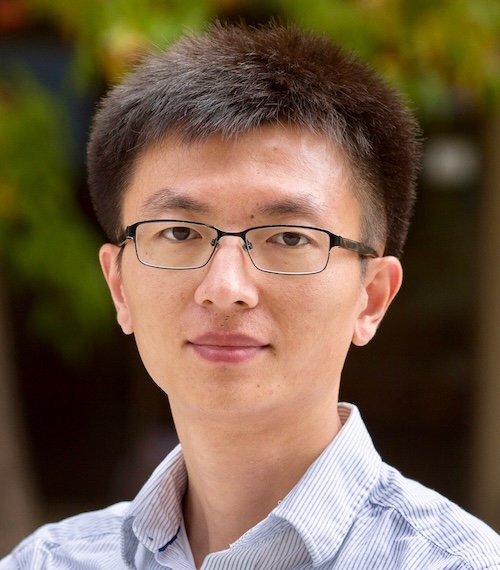
Renkai Li
Tsinghua University in Beijing
Toward brighter electron sources - characterization of alkali antimonide photocathode in a high-gradient RF gun
Read bio and abstract
Prof. Renkai Li received his bachelor’s and PhD degrees from Tsinghua University in 2005 and 2010, respectively. He subsequently joined UCLA as a postdoctoral researcher and later as an Assistant Researcher, where he worked until May 2014 on the physics and technologies of high-brightness electron sources. From July 2014 to April 2019, he was a Staff Scientist at SLAC National Accelerator Laboratory, where he played a major role in developing and improving a MeV ultrafast electron diffraction (UED) facility for scientific experiments. He also played a key role in the recommissioning and testing of a VHF SRF electron gun for future CW XFELs and high-repetition-rate UED and ultrafast electron microscopy. In May 2019, he joined Tsinghua University as a Full Professor. His research focuses on the physics and technology of high-brightness electron sources and beams, as well as their applications in ultrafast science.
Abstract
High-brightness electron sources are essential for enabling and enhancing free-electron lasers, ultrafast electron diffraction and imaging, inverse Compton scattering sources, and other emerging applications. Combining photocathodes offering high quantum efficiency (QE), low mean transverse energy (MTE), and visible-light operation with the highest achievable accelerating field represents one of the most direct and effective routes to improving beam brightness. However, systematic studies and reliable operation of such high-performance photocathodes at very high accelerating gradients remain challenging, primarily due to stringent vacuum requirements. To address these limitations, we have developed an ultrahigh-vacuum, high-gradient S-band RF gun that substantially extends the operational lifetime of alkali antimonide photocathodes. In this work, we report measurements of the QE, MTE, and their dependence on excitation wavelength, paving the way for a new operational regime for high-brightness electron sources.

Sergey Litvinov
GSI Helmholtz Centre for Heavy Ion Research
Proof of principle of beam chaser collisions at the Experimental Storage Ring (ESR)
Read bio and abstract
Sergey Litvinov is a research scientist at GSI Helmholtzzentrum for Heavy Ion Research (GSI) in Darmstadt, Germany, working in the Storage Ring Department on accelerator physics and experiments at the Experimental Storage Ring (ESR). He received his PhD in Physics from Justus Liebig University Giessen in 2008. His doctoral work was focused on isochronous operation of storage rings, including studies for the ESR and the future Collector Ring (CR) of FAIR. Isochronous storage-ring operation enables precision experiments with short-lived nuclei and applications in astrophysics. Since joining GSI, he has been involved in the development and operation of storage-ring experiments, with contributions to beam dynamics studies, accelerator operation, and advanced beam manipulation techniques. His work covers various aspects of storage-ring physics, including isochronous operation and novel concepts for stored beam experiments.
Abstract
Slow collisions of co-circulating heavy ions near the Coulomb barrier provide access to transient quasi-molecular states, enabling electron exchange processes. For systems with a combined nuclear charge exceeding the critical value Zcr ≈173, such collisions may generate supercritical electromagnetic fields capable of triggering spontaneous electron–positron pair creation via quantum electrodynamic vacuum decay. A conceptually elegant realization of the beam–chaser scheme involves circulating two ion beams along a common closed orbit with identical magnetic rigidity but different velocities. This approach was experimentally demonstrated for the first time in 2025 at the Experimental Storage Ring (ESR) at GSI, Germany. Bare and hydrogen-like uranium beams, with energies of 400 and 393 MeV/u, respectively, were simultaneously stored, and their spatial overlap was confirmed by beam-scraping measurements. This presentation reviews the complete experimental proof of principle, summarizes the key results, and discusses further developments of the concept.
Wei Lu
Institute of High Energy Physics
Preclinical tumor control with a laser-accelerated high-energy electron radiotherapy prototype
Read bio and abstract
Abstract
Radiotherapy using very-high-energy electron (VHEE) beams (50-300 MeV) has attracted considerable attention due to its advantageous dose deposition characteristics, enabling deep penetration and easy manipulation by magnetic components. One promising approach to compactly delivering these high energy electron beams in a cost-effective manner is laser wakefield acceleration (LWFA), which offers ultra-strong accelerating gradients. However, the transition from this concept to a functional machine intended for tumor treatment remains elusive. Here we present the self-developed prototype for LWFA-based VHEE radiotherapy, exhibiting compactness (occupying less than 5 m2) and long-term operational stability (validated over a period of one month). Subsequently, we employ this device to irradiate a tumor implanted in a mouse model. Following a dose delivery of 5.8 ± 0.2 Gy with precise tumor conformity, all irradiated mice exhibit pronounced control of tumor growth. For comparison, this tumor-control efficacy is similar to that achieved using commercial X-ray radiotherapy equipment operating at equivalent doses. These results demonstrate a compact and stable laser-driven VHEE system dedicated for preclinical studies involving small animal models and its promising prospects for future clinical translation in cancer therapy.
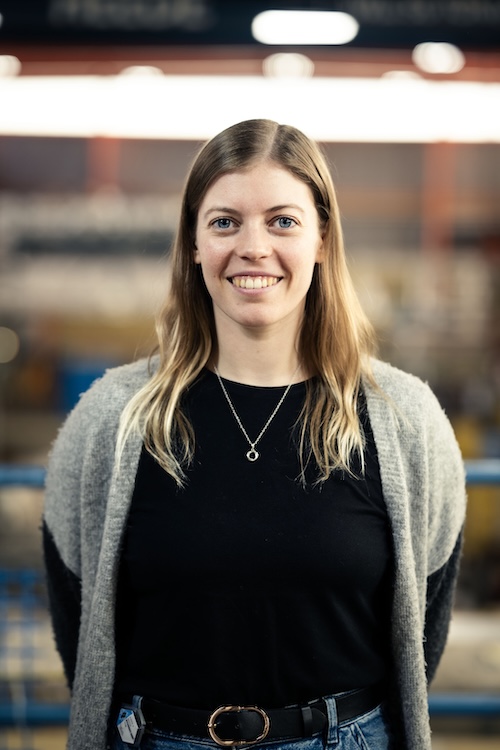
Aveen Mahon
TRIUMF, Canada’s particle accelerator center
Microscopic dust, macroscopic downtime: the impacts of micron sized particulates in superconducting particle accelerators
Read bio and abstract
Aveen Mahon is a PhD candidate at the University of Victoria, working in the accelerator physics division at TRIUMF, Canada’s national particle accelerator centre. Her research centres on the charging and migration of micron-sized dust particulates in accelerator environments and their impact on SRF cavities. Her work at TRIUMF also includes beam optics studies and quadrupole magnet design for the TRIUMF electron linear accelerator. Mahon obtained her Master’s degree in particle physics at McGill University working with the CALICE (now DRDCalo) collaboration. In addition to her research, Mahon actively engages in physics outreach and mentorship programs and serves on the TRIUMF graduate student and postdoc committee. Mahon has received independent funding through the NSERC Postgraduate Scholarships – Doctoral (PGS D) program, the Westcott Fellowship, and is the current holder of the Shelley Page Fellowship.
Abstract
A key limitation to the performance of SRF based accelerators is contamination; external particulates (aka dust) present on the cavity surface trigger field emission, a phenomenon where electrons tunnel through the cavity surface due to strong electric fields. Field emission is actively observed at the TRIUMF electron linear accelerator (e-Linac), showing a progressive onset throughout operation, despite cavities undergoing stringent cleaning procedures prior to installation. We investigate whether micron-scale particulates generated by accelerator components during operation migrate into SRF cavities and contribute to the onset of field emission. These grains can acquire electrostatic charge in the radiation environment of an accelerator, and their composition and charge-to-mass ratios are largely unknown and unique to each facility. Experiments using an in-vacuum particle counter are being conducted to study their charging and lofting dynamics and to inform mitigation strategies for maintaining SRF accelerator performance.
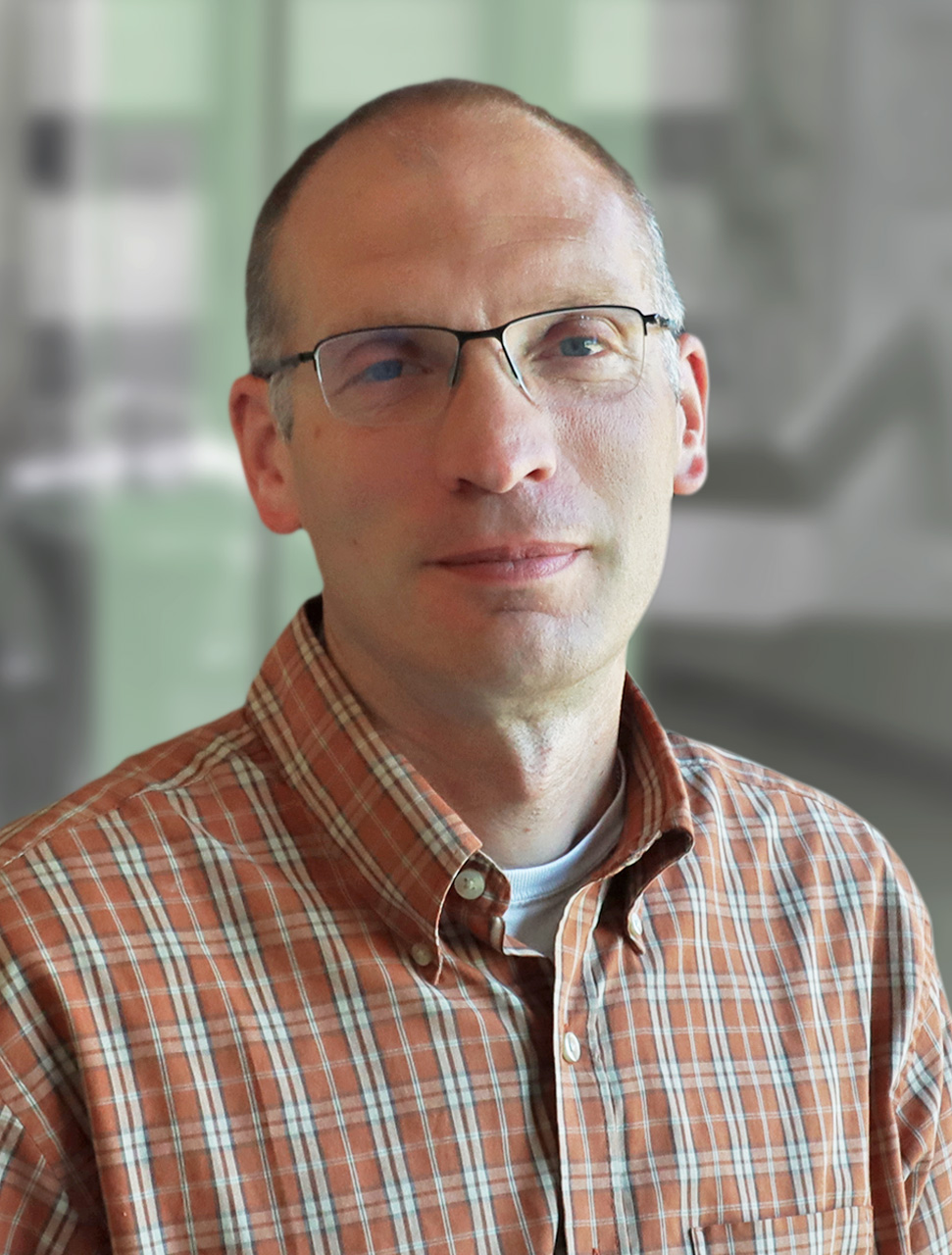
Samuel Miller
Facility for Rare Isotope Beams
Engineering design, challenges, and lessons learned of high-power heavy ion beam dumps
Read bio and abstract
Samuel Miller is the Mechanical Engineering Department Manager and Superconducting Mechanical Design Group Leader at the Facility for Rare Isotope Beams (FRIB). He holds a Master of Science in Mechanical Engineering and brings more than 17 years of experience in accelerator technology, superconducting radio-frequency (SRF) systems, interceptive devices, and large-scale scientific infrastructure. During the first 14 years of his career, Samuel specialized in the design and development of superconducting cryomodules, SRF cavities, and superconducting magnets, while leading the mechanical integration and installation of complex accelerator systems. His expertise spans the full lifecycle of advanced accelerator components, from design and fabrication to installation and commissioning. In his current role, Samuel leads engineering efforts focused on interceptive devices, including the development of next-generation high-power beam dumps to support FRIB's future operational needs. He also oversees the mechanical design and development of new beamlines that will enable the expansion of FRIB's experimental capabilities and support future scientific programs.
Abstract
The Facility for Rare Isotope Beams (FRIB) is a high-power heavy ion accelerator facility at Michigan State University completed in 2022. Its driver linac is designed to accelerate all stable ions to energies above 200 MeV/u with beam power of up to 400 kW. Currently, FRIB is operating up to 20 kW, delivering multiple primary beam species. The beam dump absorbs approximately 75% of the primary beam power. The existing static beam dump head can accommodate up to 30 kW operation, with a planned transition to an enhanced static beam dump design and eventual rotational beam dump for above 50 kW. Presented here is an overview of the mechanical designs of the beam dump, challenges, and lessons learned from operations.
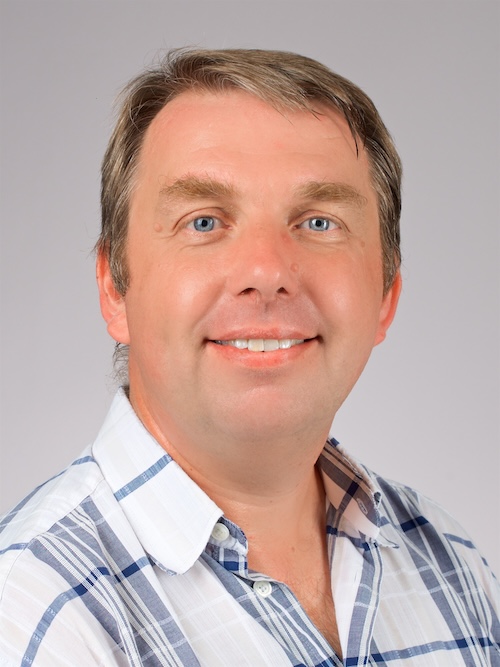
Sven Reiche
Paul Scherrer Institut
Quo vadis X-ray free-electron lasers? Present and future of the most brilliant light sources
Read bio and abstract
Dr. Reiche got his Ph.D. at DESY, Hamburg, for writing the 3D, time-dependent FEL code Genesis 1.3. Then he worked with Claudio Pellegrini for LCLS at UCLA. In 2008 he joined PSI to contribute to the realization of SwissFEL. Currently he is the group leader of FEL beam dynamics at PSI and prepares for the proposed upgrade of the facility.
Abstract
X-ray free-electron lasers have revolutionized science with their unprecedented peak brilliance and ultrashort pulses. This talk reviews the current state of X-ray facilities and explores the next frontier. The presentation will focus on shaping the FEL pulses (pulse length control pulses, coherence control), new development of the driving injectors and accelerators and future target applications for FELs.

Alexander Romanov
Fermi National Accelerator Laboratory
First protons at IOTA: injector performance and the road to intense beam physics
Read bio and abstract
Aleksandr Romanov studied at Novosibirsk State University. In 2011 he defended his PhD on beam lattice optimization and automated commissioning of the VEPP-2000 e+e− collider at the Budker Institute of Nuclear Physics. In 2015 he joined the IOTA team at Fermilab, where he was responsible for the design and commissioning of beam lattices for a range of experiments, as well as for the construction and commissioning of the IOTA ring and the IOTA Proton Injector. His most notable contributions are to studies of Danilov–Nagaitsev integrable optics, Optical Stochastic Cooling, and experimental single-electron tracking. The emphasis on IOTA's lattice flexibility, diagnostics, and automated commissioning drove continuous development of the 6DSim toolkit, now used at VEPP-2000, FAST/IOTA, and the Fermilab Muon Campus.
Abstract
The proton injector for the Integrable Optics Test Accelerator (IOTA) at Fermilab has been commissioned to deliver beam currents of over 10 mA, with over 1 mA successfully stored in the ring. This capability enables a broad range of intense beam studies in support of Fermilab's scientific program, including PIP-II warm front end startup and beyond. The initial proton run was dedicated to diagnostics checkout, lattice tuning, and injection optimization. An ongoing shutdown is being used for maintenance and installation of new equipment, including a dual-frequency RF cavity, ahead of the scientific run scheduled to begin in September. Ionization Profile Monitors will be installed in January to enable turn-by-turn beam size measurements and support dynamics optimization of space-charge-dominated beams. The scientific program will investigate integrable optics with one and two integrals of motion in the presence of space charge, soliton formation, and longitudinal phase space manipulations. This talk will report the first results of the scientific program together with highlights of the commissioning campaign.
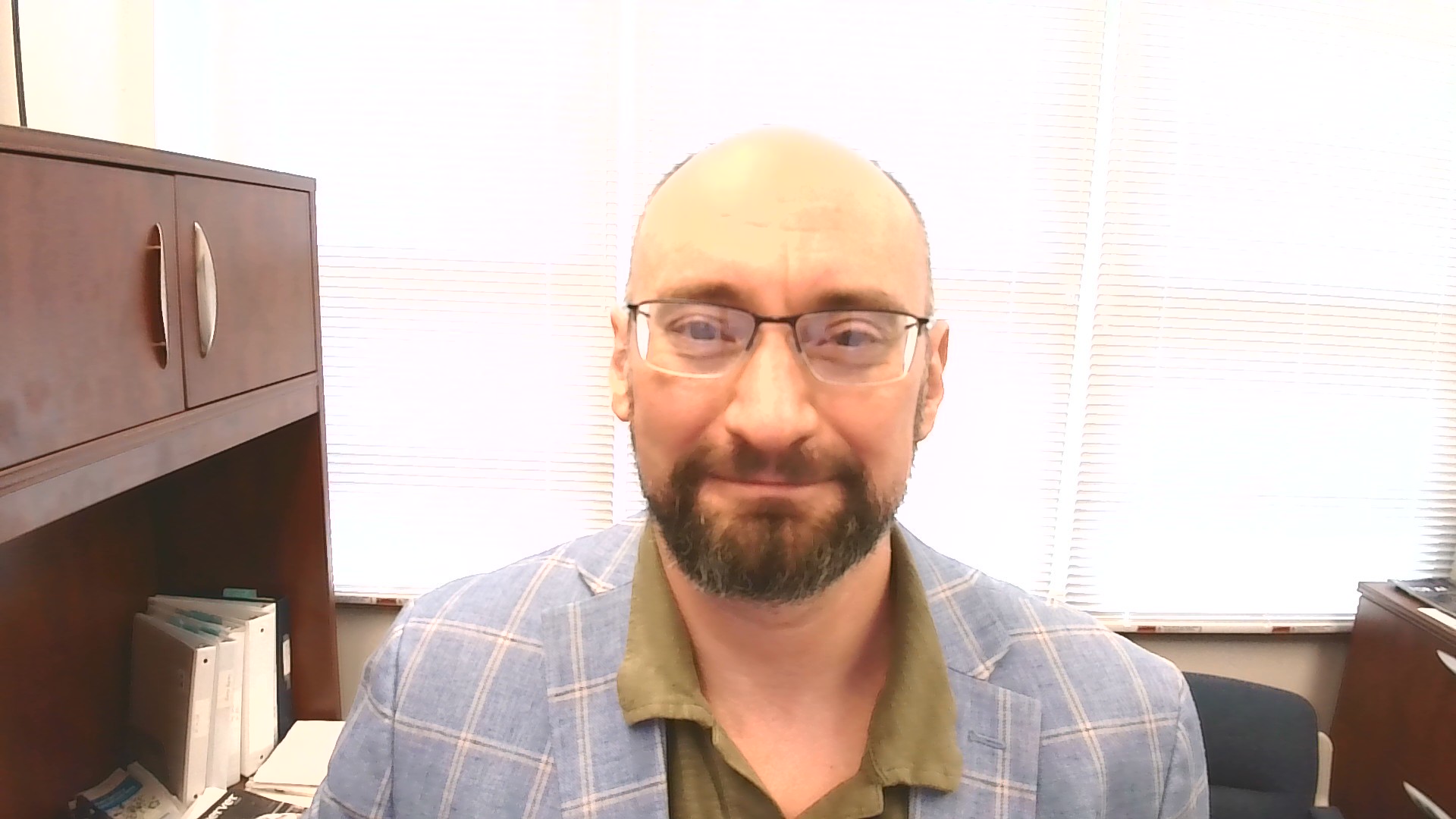
Sergei Seletskiy
Brookhaven National Laboratory
High energy electron cooling
Read bio and abstract
Sergei Seletskiy is an accelerator physicist at Brookhaven National Laboratory. He received his PhD in 2005 from the University of Rochester, graduating from a joint program with Fermilab. He completed his postdoctoral research at SLAC, working on various aspects of the design of the International Linear Collider. Sergei joined BNL in 2008, where he has worked on NSLS, NSLS-II, and RHIC. His recent research focuses on expanding electron cooling to high energies.
Abstract
Cooling intense proton bunches at high energy is a major challenge. A robust cooling system operating at collision energies of the Electron-Ion Collider (EIC), while not part of the project baseline, would greatly improve luminosity and significantly advance the facility's long-term scientific potential. We propose a design for a non-magnetized, RF-based electron cooler to provide the required cooling at EIC collision energies. While electron cooling is a well-established technique at low energies, extending it to \gamma \about 100-300 for the EIC represents a significant advancement that will pave the way for high-energy electron cooling applications.
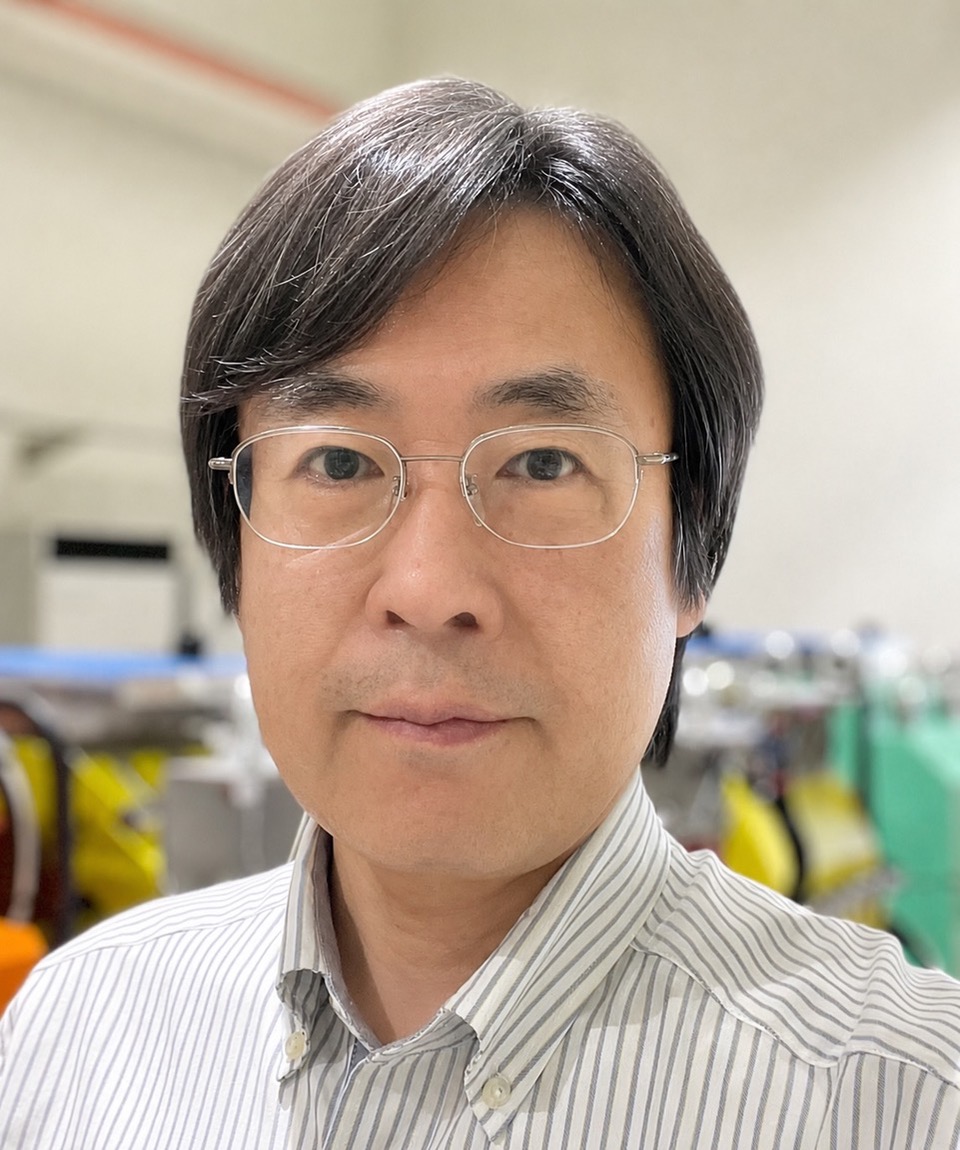
Tsutomu Taniuchi
Japan Synchrotron Radiation Research Institute
Novel septum magnets for next-generation accelerator facility
Read bio and abstract
Tsutomu Taniuchi is a Senior Scientist in the Accelerator Division at the Japan Synchrotron Radiation Research Institute (JASRI), one of the host institutes of the SPring-8 synchrotron radiation facility. He received his Ph.D. in Science from Tohoku University in 1994 for his research on a damped X-band accelerating structure for linear colliders. He then joined the SPring-8 project, where he has contributed to the construction, commissioning, and operation of the SPring-8 injector linac, particularly its high-power RF system, as well as to the research and development of photocathode RF guns and high-gradient accelerating structures. He also contributed to the construction of NanoTerasu, Japan's newest synchrotron radiation facility. His current research focuses on the development of permanent-magnet dipole magnets and beam injection systems for the SPring-8-II upgrade.
Abstract
DC septum magnets are key components in advancing sustainable accelerator design. Conventional direct-drive designs have long forced septum conductors to operate at extremely high current densities to sustain an intense deflecting magnetic field while preserving a nearly zero-field region nearby, making them a major source of energy dissipation and heat generation. This nomination highlights two independent solutions to the persistent problem. First, the nominee has successfully demonstrated a permanent magnet-based septum magnet capable of deflecting multi-GeV electron beams, entirely removing the requirements for excitation power and cooling [1]. This innovative technology has been adopted for the green upgrade of SPring-8, SPring-8-II. Furthermore, the thin septum architecture developed for the permanent magnet design enabled a configuration that significantly increases the coil cross-section in an electromagnet version, eventually leading to a 25-fold power consumption reduction [2]. This breakthrough has already been commissioned for beam injection at the newly launched NanoTerasu synchrotron radiation facility. The two advancements now provide sustainable and robust solutions in accelerator designs.
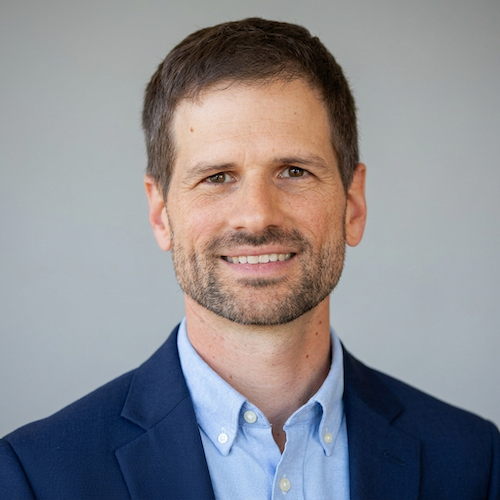
Chris Tennant
Thomas Jefferson National Accelerator Facility
Toward a fully autonomous, AI-native particle accelerator
Read bio and abstract
Chris Tennant is a Senior Staff Scientist at Jefferson Lab, where he has spent his entire career. He received his Ph.D. in Physics from the College of William & Mary in 2006. His doctoral work focused on energy recovery linacs (ERLs), including the first measurements and mitigation of the multipass beam breakup instability at the Jefferson Lab FEL, as well as the CEBAF energy recovery experiment. For several years afterward, he worked on the design and simulation of ERL-based machines for defense, lithography, and basic science applications. For the last 10 years, his focus has shifted to developing AI tools that empower accelerator operators and subject matter experts. His current research covers representation learning and natural language interfaces for control systems, including ontology development.
Abstract
The promise of a self-driving particle accelerator — one that tunes itself, adapts to changing demands, and ultimately drives the experiment it serves toward greater discovery — has long motivated the accelerator community, and recent national priorities have only sharpened that motivation. We present a vision for AI-native accelerators, in which artificial intelligence shapes a facility's design, diagnostics, and operation from the outset, rather than being retrofitted onto systems built for human control. Drawing on parallel developments in self-driving vehicles and robotics, we argue that autonomy depends on a machine having a working model of its own environment. It must know where it has operated before, where it is now, and where it needs to go, expressed as a learned representation of machine state rather than raw signal streams. We describe a framework built around this idea for tuning and control, one aimed at transferring a skill that today lives largely in expert intuition into something a machine can learn directly. We also touch on the safety architecture this requires, including sandboxed validation on digital twins and layered safety controls, as well as how operators interact with such a system through natural language. This is emerging work, grounded in and drawing on efforts across the accelerator community, and we offer it here as a direction for the field to pursue together.
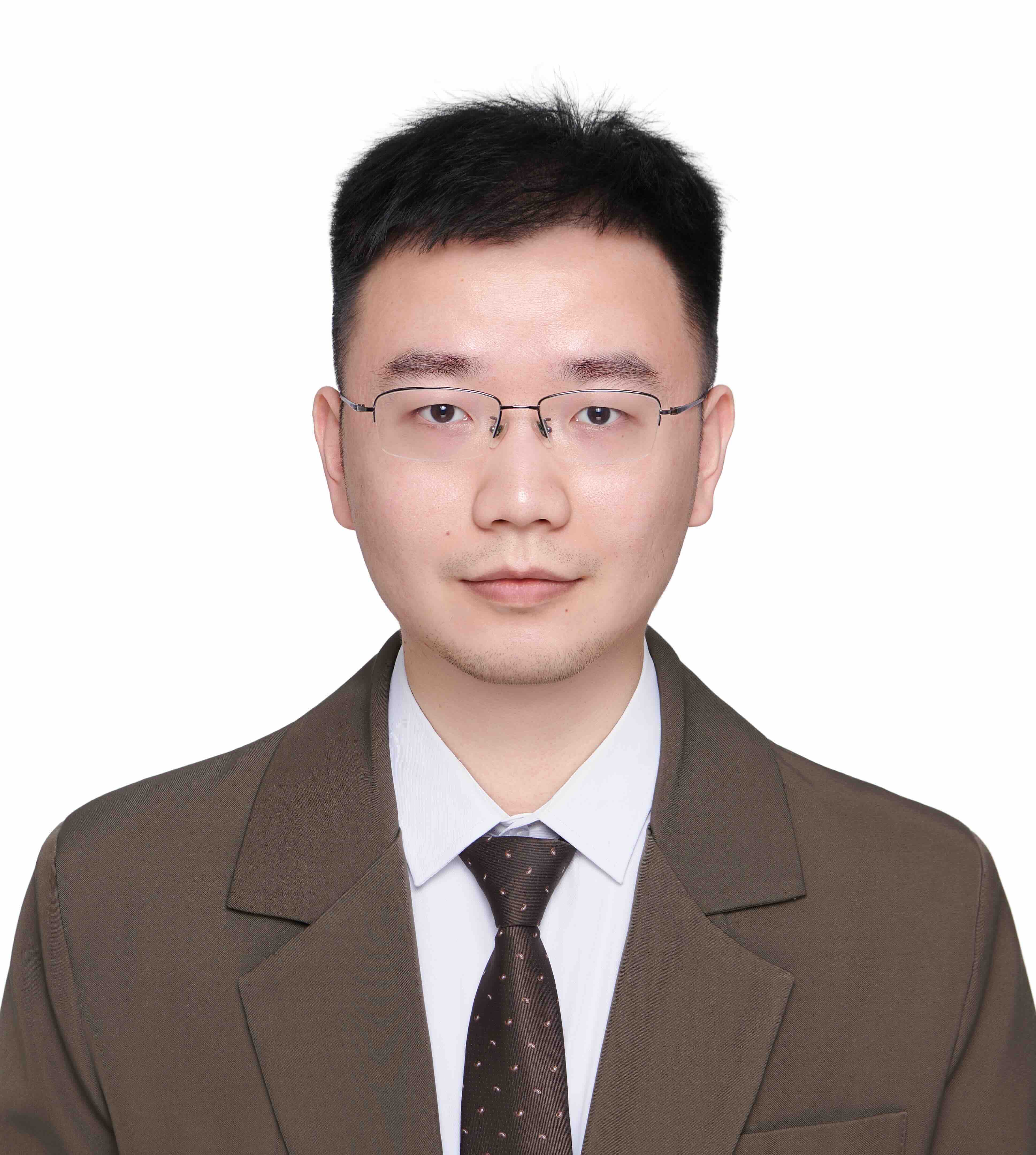
Jinyu Wan
Institute of High Energy Physics
From maps to gradients: automatic differentiation for accelerator beam dynamics, beam control, and digital twins
Read bio and abstract
Dr. Jinyu Wan is currently an Associate Research Fellow at the Institute of High Energy Physics (IHEP), Chinese Academy of Sciences. He received his Ph.D from IHEP and subsequently conducted postdoctoral research at the Facility for Rare Isotope Beams (FRIB). His research interest center on the intersection of accelerator beam dynamics, differentiable simulation, and machine learning. He is actively involved in developing cutting-edge computational frameworks that use automatic differentiation and artificial intelligence to enable efficient optimization, precise beam control and the construction of digital twin for particle accelerators.
Abstract
Automatic differentiation (AD) is emerging new opportunities in accelerator beam dynamics and beam control by enabling efficient gradient evaluation for optimization, inference, and control. This talk will review the past development, current status, and future prospects of AD in accelerator physics, with representative examples including Cheetah, JuTrack, and SciBmad. Emphasis will be placed on applications to beam dynamics modeling, online optimization, and differentiable digital twins, as well as on key challenges such as nonlinear beam dynamics, optics control and future opportunities in digital twins for particle accelerator.
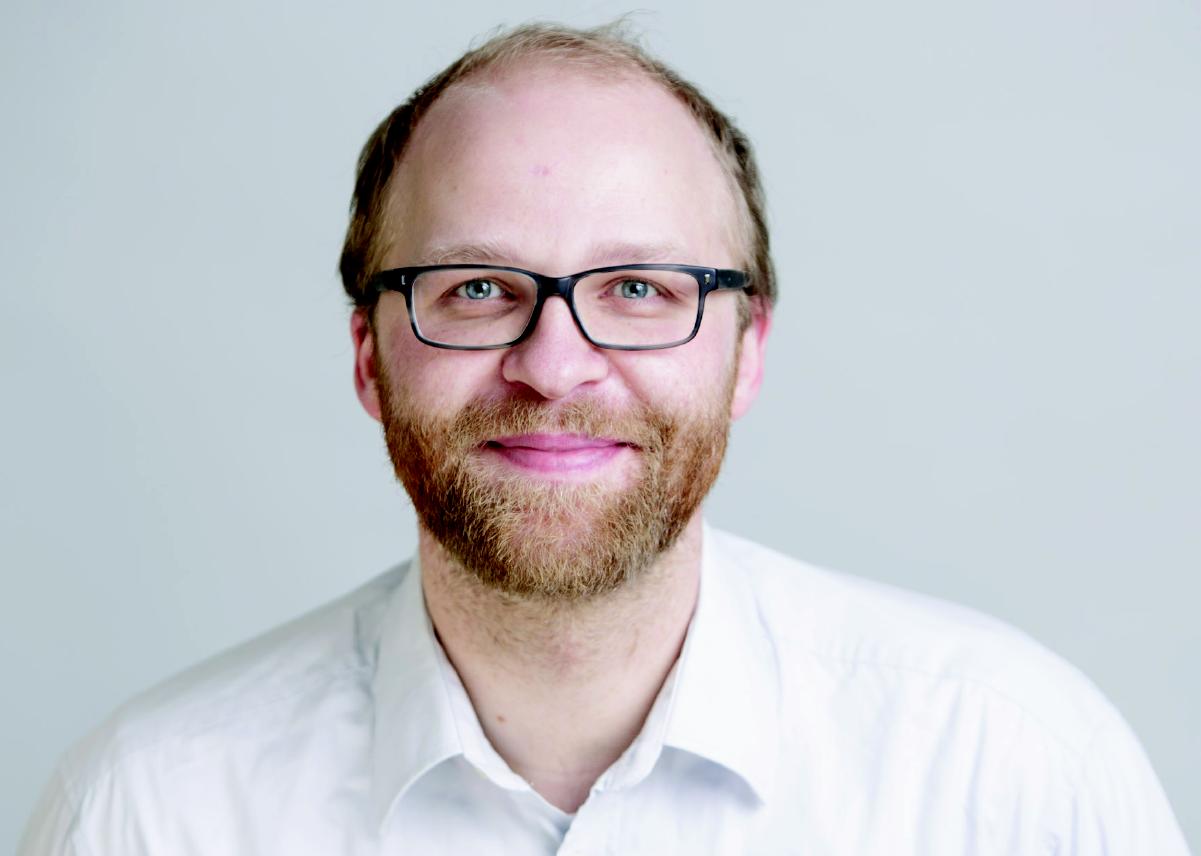
Marc Wenskat
University of Hamburg
Detection of high-f gravitational waves using SRF cavities
Read bio and abstract
Dr. Marc Wenskat is a Staff Scientist at DESY and Group Leader of the SRF R&D group at the University of Hamburg, from where he got his PhD in 2015. His research expertise lies in surface engineering and the study of niobium-based SRF cavities, with his group focusing on the fundamental relationships between surface dynamics, radio-frequency properties, and the electromagnetic response of cavities. Dr. Wenskat leads two key initiatives at DESY: coating cavities with thin superconducting films using Atomic Layer Deposition and exploring alternative applications of SRF technology, such as gravitational wave detection. He coordinates two BMFTR-funded research collaborations involving 11 German universities to advance SRF technology in its various aspects. Since 2021, he has been elected thrice to the German political representation committee for accelerator scientists and serves on DESY's Quantum Technology Task Force.
Abstract
DESY, the University of Hamburg, and Fermilab are collaborating on an experiment to search for high-frequency gravitational waves (GWs) in the 10 kHz to 100 MHz range, using superconducting radiofrequency (SRF) cavities to detect tiny harmonic deformations, induced by GWs, that change the boundary conditions of the oscillating electromagnetic field. We briefly motivate this search and address its challenging environmental requirements: an LLRF system beyond state-of-the-art accuracy and resolution, and a seismic noise-mitigated cryostat at 1.8 K. The focus is the warm and cold commissioning of a prototype cavity built 20 years ago during the MAGO collaboration. Cryogenic tests at Fermilab and DESY down to 2 K achieved the targeted 11 kHz mode splitting after tuning, confirmed high quality factors after transferring processes to this unusual cavity geometry, revealed transfer-function characteristics relevant for LLRF control, an unwanted mode coupling from multipacting and mechanical quality factors below theoretical expectations. All those results lead to the design of an optimized cavity geometry and improved LLRF system, paving the way toward a first physics run in an uncharted GW phase space.